Timeless Residences, Cairo, Egypt
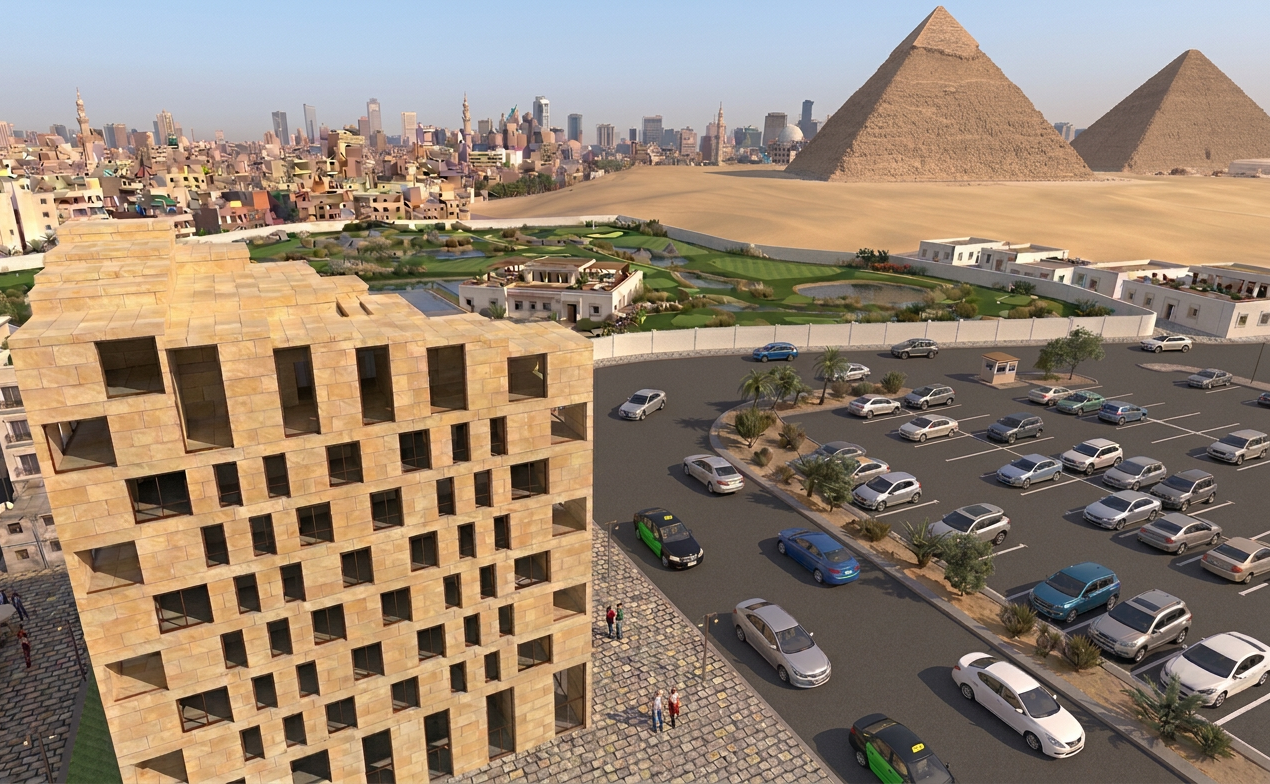
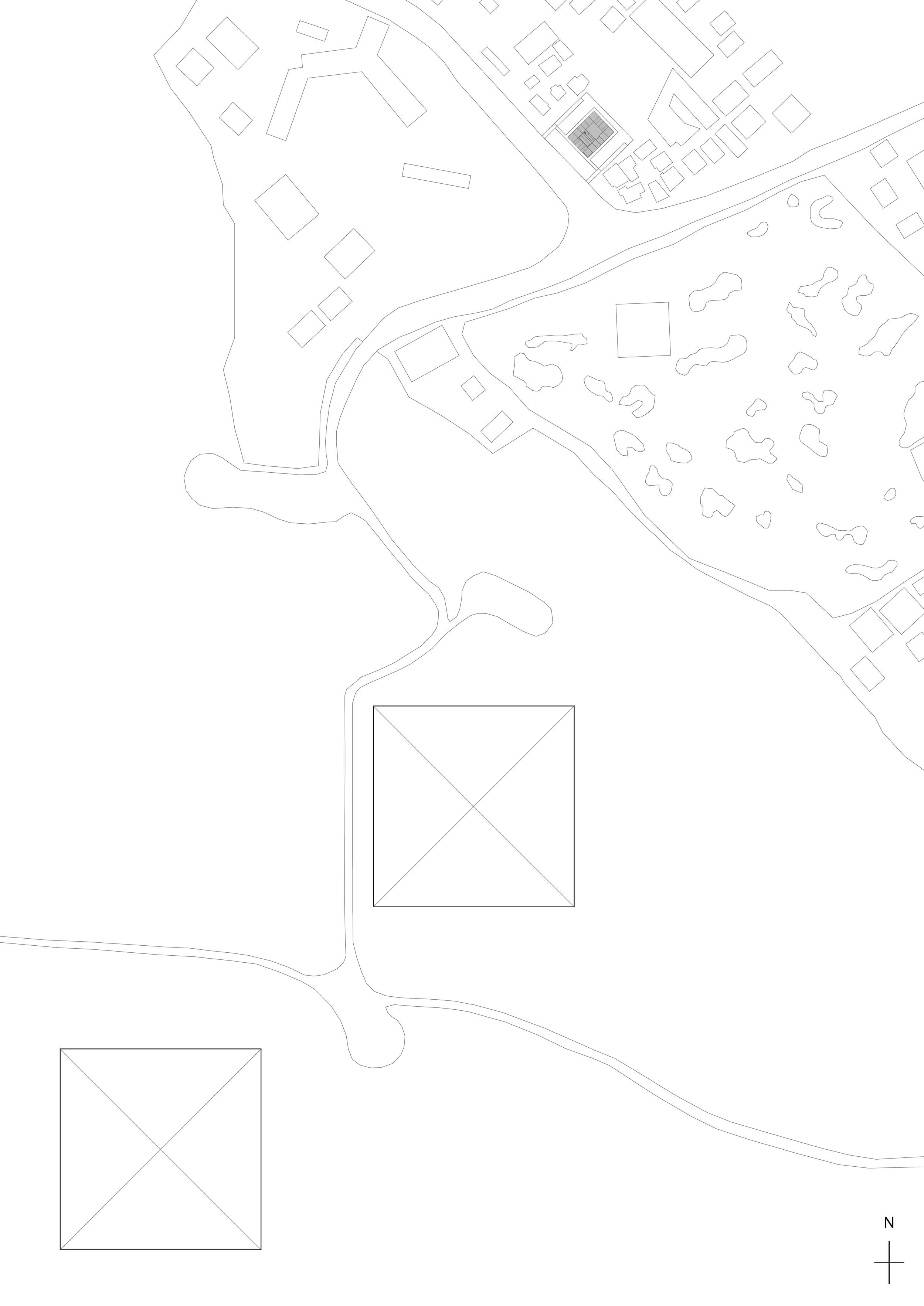
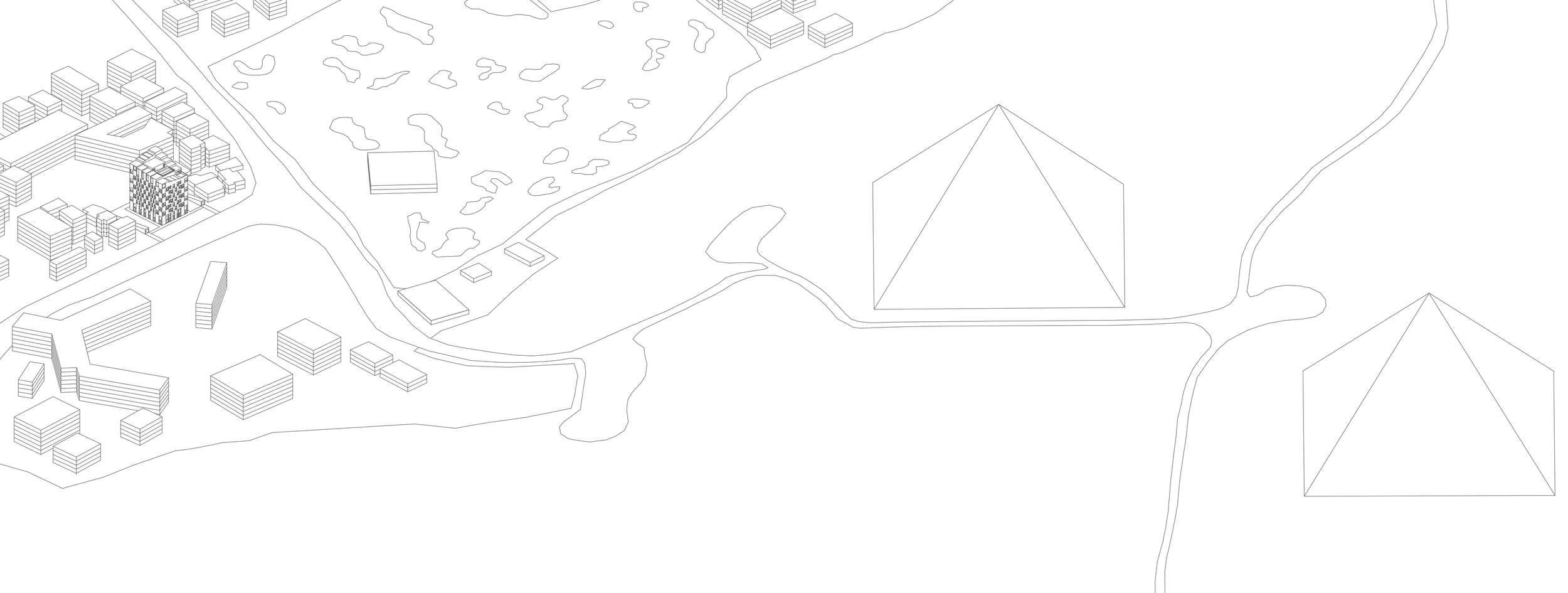
Situated at the dramatic threshold between Cairo’s dense urban fabric and the timeless expanse of the Egyptian desert, this residential tower occupies a highly privileged site in Giza. Positioned precisely at the city's edge, the building offers unobstructed, panoramic views across an adjacent golf course, culminating in the monumental silhouettes of the Great Pyramids. The design serves as a contemporary dialogue with this historic landscape, bridging the bustling modernity of the city with the profound stillness of antiquity.
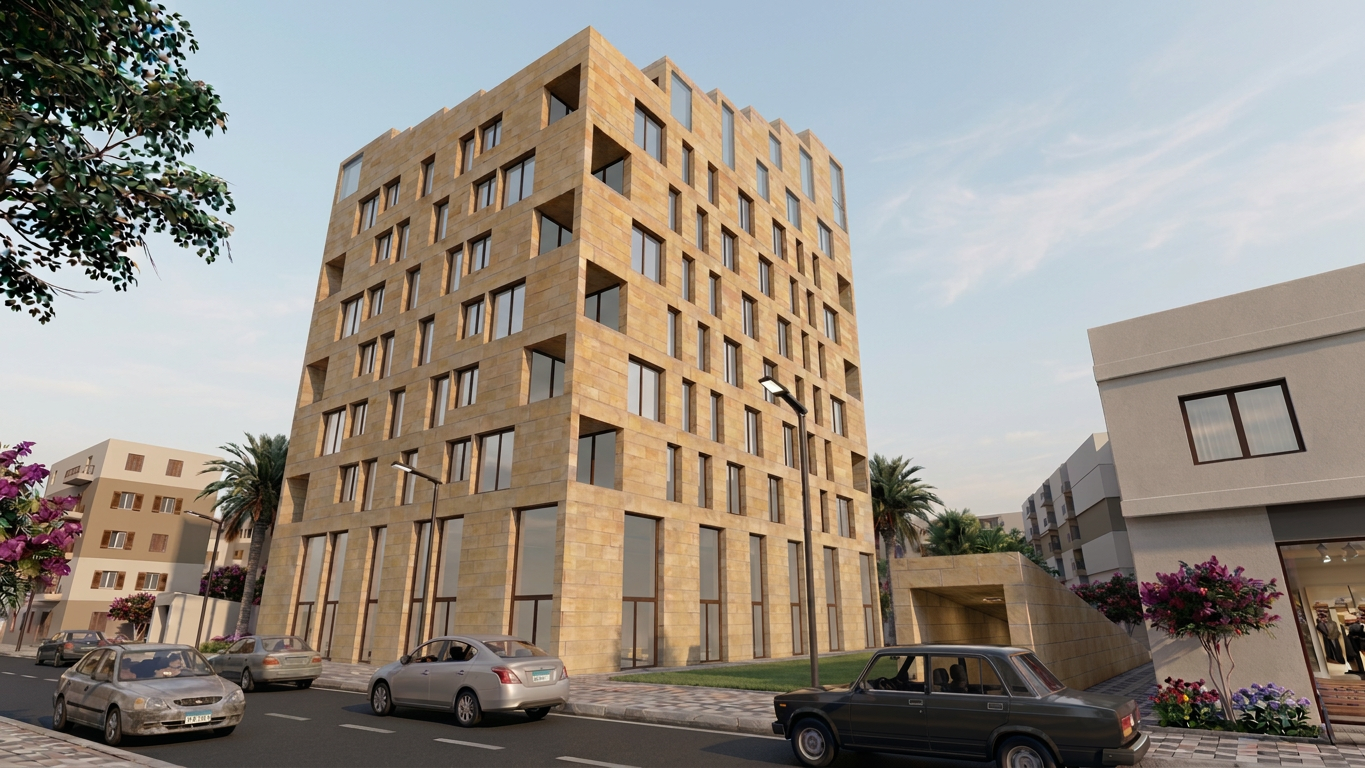
The core architectural concept envisions the tower as a modern, eroded ruin. Clad entirely in a monolithic skin of locally resonant limestone, the building's materiality directly echoes the ancient structures on the horizon. To avoid the monotonous, repetitive grids typical of contemporary high-rises, the facade features a dynamic, shifting arrangement of fenestration. This staggered window placement not only breaks the visual scale of the building but also frames unique, curated views of the surroundings from within each interior space, ensuring that no two floorplans feel exactly alike.
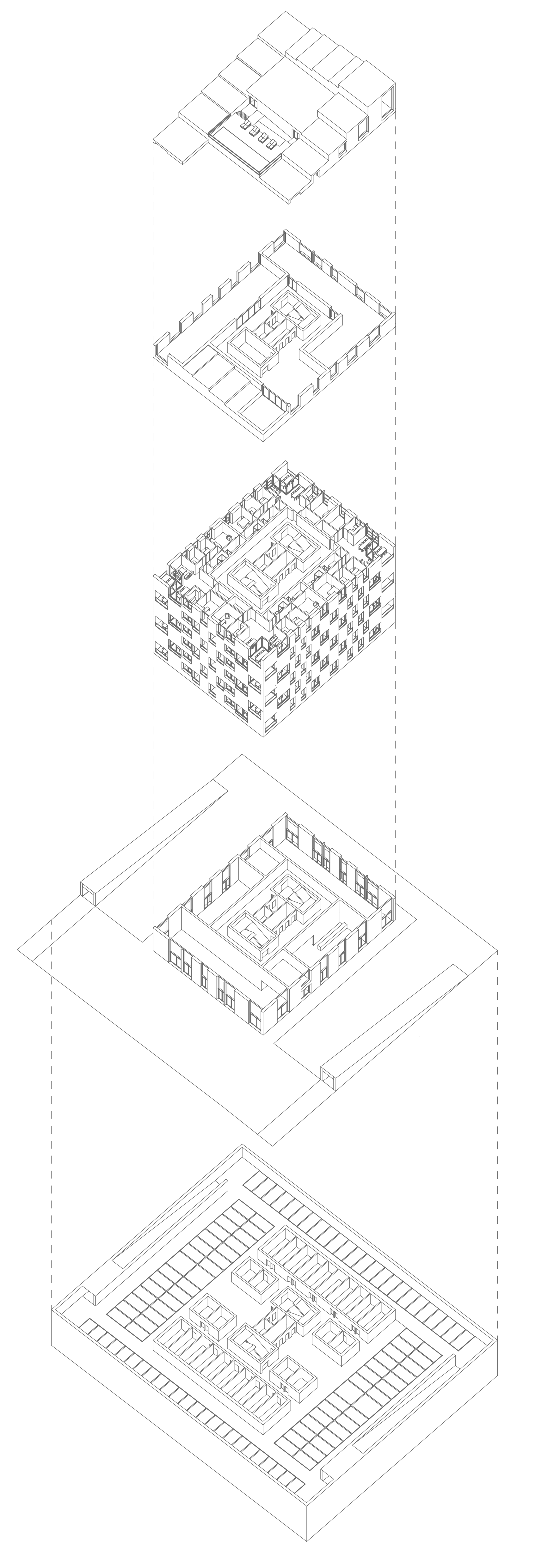
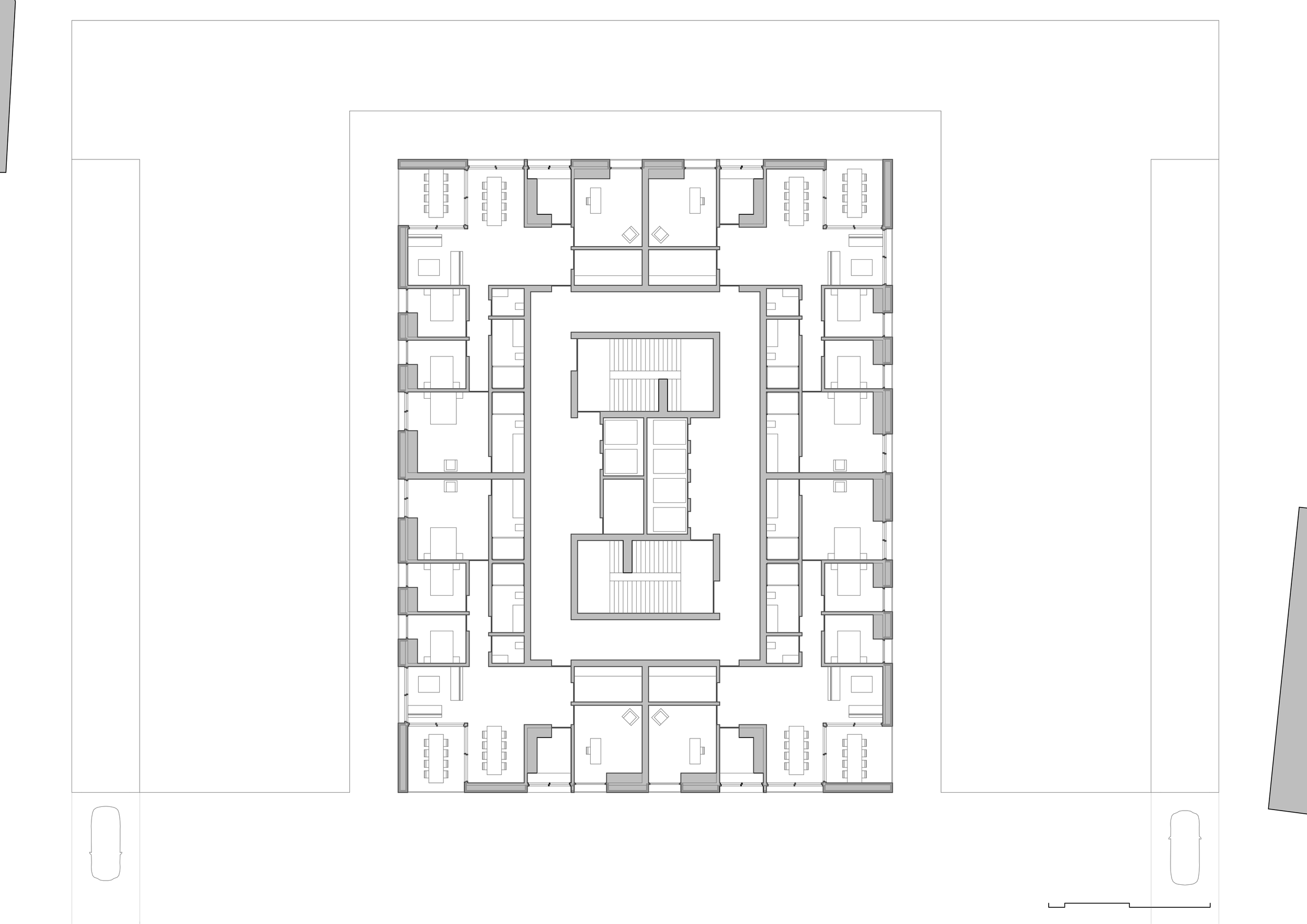
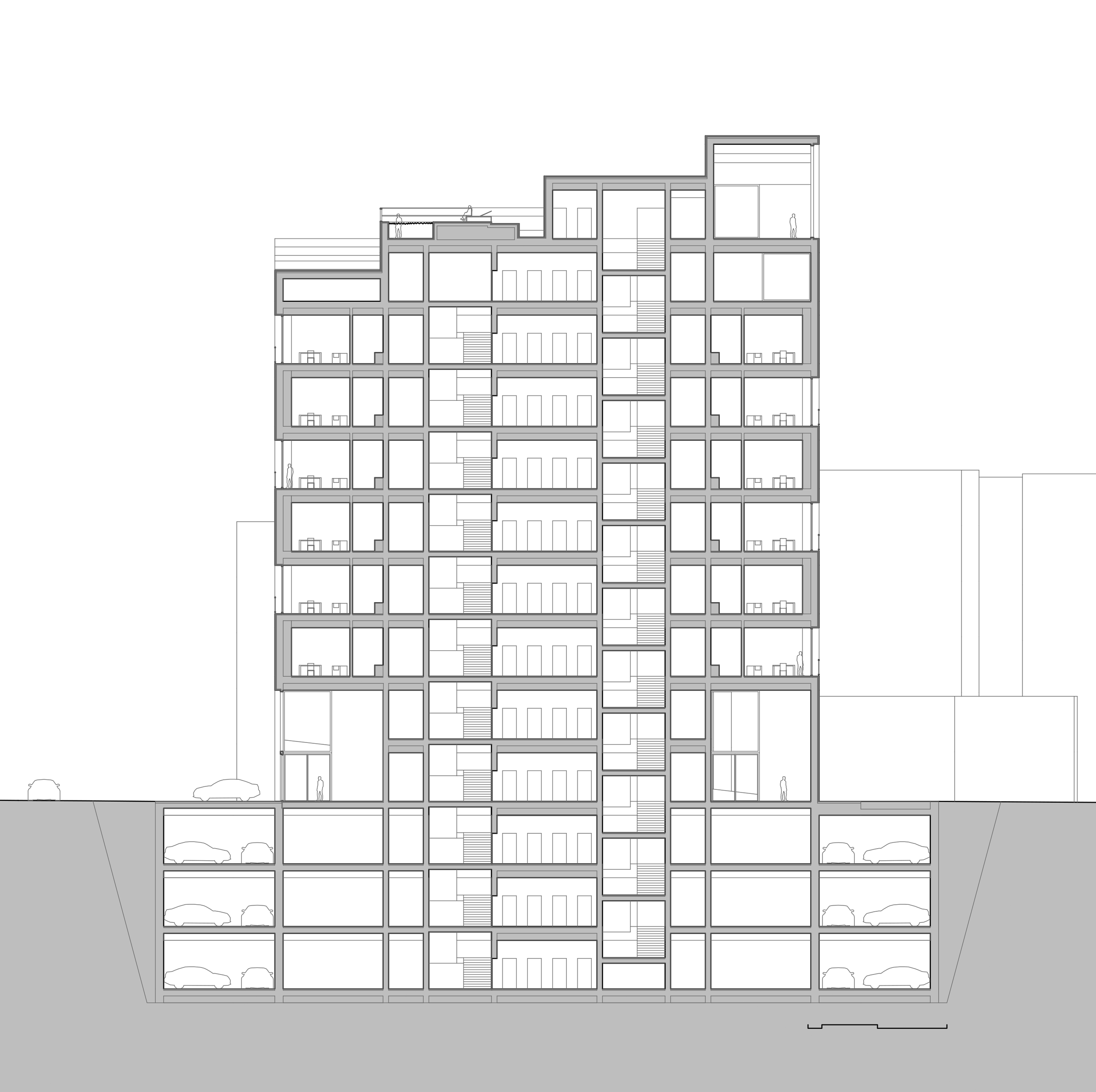
Programmatically, the building is highly rationalized to maximize both luxury and livability. The ground level anchors the tower to the streetscape, featuring expansive, double-height retail spaces that activate the pedestrian edge. Above this commercial podium sit six dedicated residential floors. The floorplate is strategically organized to accommodate exactly four corner apartments per level. This cross-shaped internal layout guarantees that every single residence benefits from dual-aspect views, abundant natural daylight, and optimal cross-ventilation, providing an exclusive and private living experience.
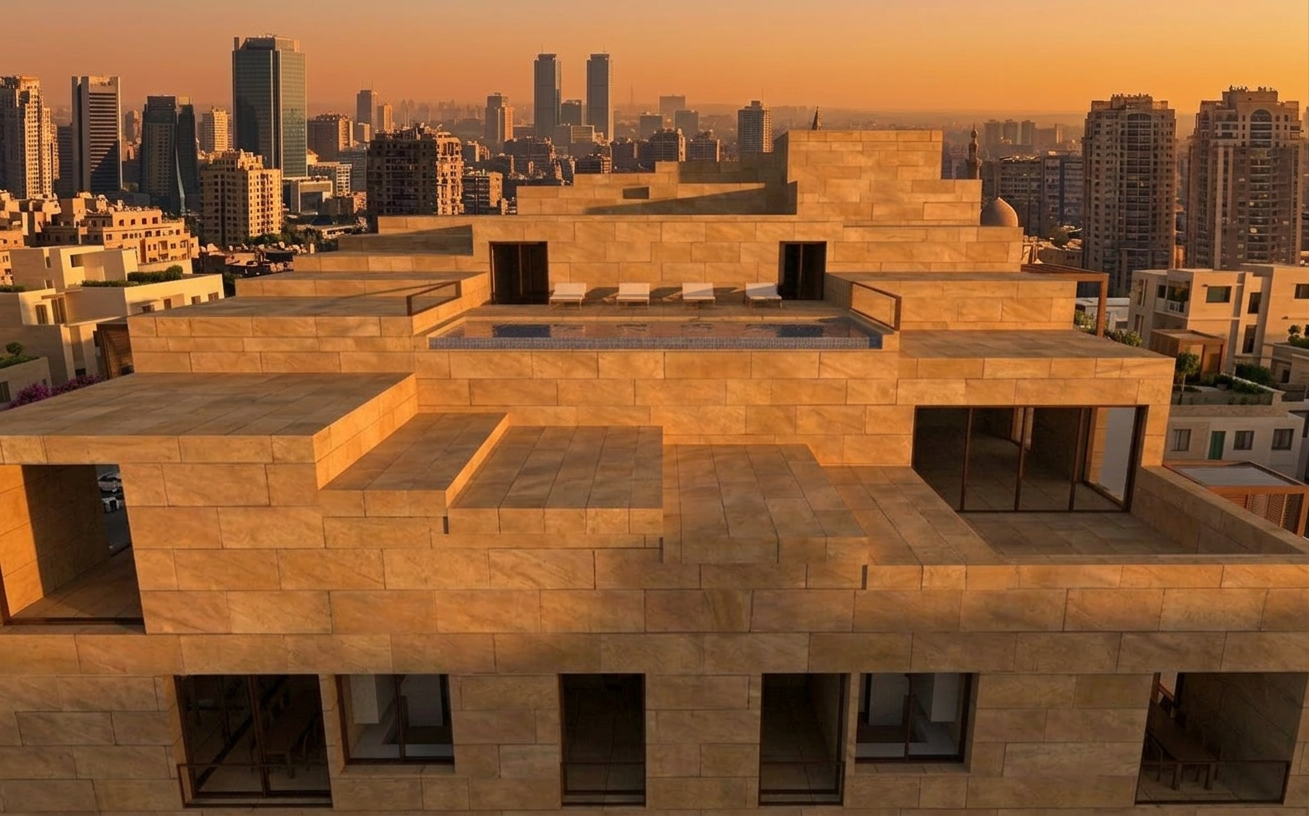
The defining gesture of the tower is its sculpted, asymmetrical crown. As the building rises, the massing begins to step back dramatically, resembling the giant, weathered blocks of a pyramid. This subtractive geometry creates a series of cascading, multi-level terraces that house a luxurious rooftop pool area and public amenities, including a restaurant and cafe. This elevated social hub provides both residents and guests with an unparalleled vantage point to take in the awe-inspiring sunsets over the Giza plateau.
To successfully marry the private nature of the residences with the public draw of the rooftop amenities, the structural core incorporates a dual circulation strategy. The ground floor features distinct, separate lobbies leading to dedicated vertical circulation shafts—one strictly reserved for the residents of the six apartment floors, and an express elevator system designed specifically for the public accessing the rooftop restaurant and pool. This ensures total privacy and security for the homeowners while allowing the building to function as a vibrant destination within the city.
Research
Social Aspects:
Research into the social dynamics of Giza revealed a strong demand for both highly private luxury living and exclusive public gathering spaces that capitalize on the area's historic views. The project addresses this dual need through a carefully segregated circulation strategy. By providing separate, secure access for the residents of the exclusive four-per-floor apartments, and a dedicated, welcoming express elevator for the public accessing the rooftop, the building functions as two entities in one. This creates a vibrant, profitable social hub at the crown—featuring a restaurant, cafe, and pool—that allows locals and tourists to engage socially, all while maintaining the absolute tranquility and security required for the high-end residential levels below.
Aesthetic Aspects:
The aesthetic research focused on creating a contemporary dialogue with the monumental context of the Giza Plateau without resorting to literal pastiche. By treating the building mass as a monolithic block that is progressively "eroded" at the top, the design directly evokes the stepped, weathered geometry of the ancient pyramids. Furthermore, studies on facade articulation led to the deliberate shifting of window placements; this strategy breaks the predictable, repetitive grids typical of modern high-rises, giving the building an organic, almost geological presence that respects the timeless, monumental horizon it occupies.
Material Aspects:
Material selection was heavily informed by the site's historical and geological context. The decision to clad the entire exterior in locally sourced Egyptian limestone creates a direct, tactile, and visual link to the ancient structures nearby. Research into local quarrying and stone performance confirmed that limestone not only provides a beautifully textured and contextual aesthetic but also ages gracefully in the arid climate. As the stone develops a natural patina over time, it will further enhance the core concept of the building acting as a contemporary ruin blending seamlessly into the desert landscape.
Engineering and Construction Aspects:
Engineering studies centered on resolving the structural complexities of the subtractive massing at the crown and the integration of the dual-core circulation system. The cascading, stepped terraces on the upper levels—which house heavy loads such as the swimming pool and public gathering spaces—required a robust structural framework that transfers loads efficiently down to the foundation without compromising the open, cross-shaped residential floor plates below. Additionally, the double-height ground floor commercial spaces necessitated careful structural detailing to maintain the heavy, monolithic appearance of the stone facade while still allowing for expansive, column-free retail areas at the street level.
Urban Aspects:
Urban research analyzed the site's unique position at the exact threshold between Cairo's dense, bustling urban fabric and the open expanse of the Giza golf course and desert beyond. The building is designed to act as a transitional mediator; its base features double-height retail storefronts that activate the street edge, integrating with the existing city scale and pedestrian flow. As it rises, the tower transforms into a visual landmark, framing the edge of the city and establishing a new, respectful skyline dialogue with the Pyramids for those viewing the city from the desert edge.
Environmental Aspects:
Environmental research prioritized passive climate-control strategies suitable for Egypt's hot, arid environment. The layout of exactly four corner apartments per floor ensures that every unit benefits from natural cross-ventilation, significantly reducing the reliance on mechanical cooling. Furthermore, the thick limestone cladding provides excellent thermal mass, absorbing heat during the day and releasing it at night to regulate interior temperatures. The deeply recessed, shifting window openings act as self-shading mechanisms, minimizing direct solar heat gain while still allowing diffuse natural daylight to penetrate deep into the living spaces.
Economic Aspects:
The economic viability of the project was researched through the lens of maximizing real estate value in a highly desirable, view-oriented location. By organizing the floorplate to provide four premium corner apartments per level, the design ensures that every single residential unit commands top market value due to its exclusive dual-aspect views and enhanced privacy. Additionally, the inclusion of double-height retail spaces on the ground floor and an exclusive, ticketed or reservation-based public restaurant and pool on the rooftop introduces diverse, continuous revenue streams, transforming the building into a highly profitable mixed-use asset.